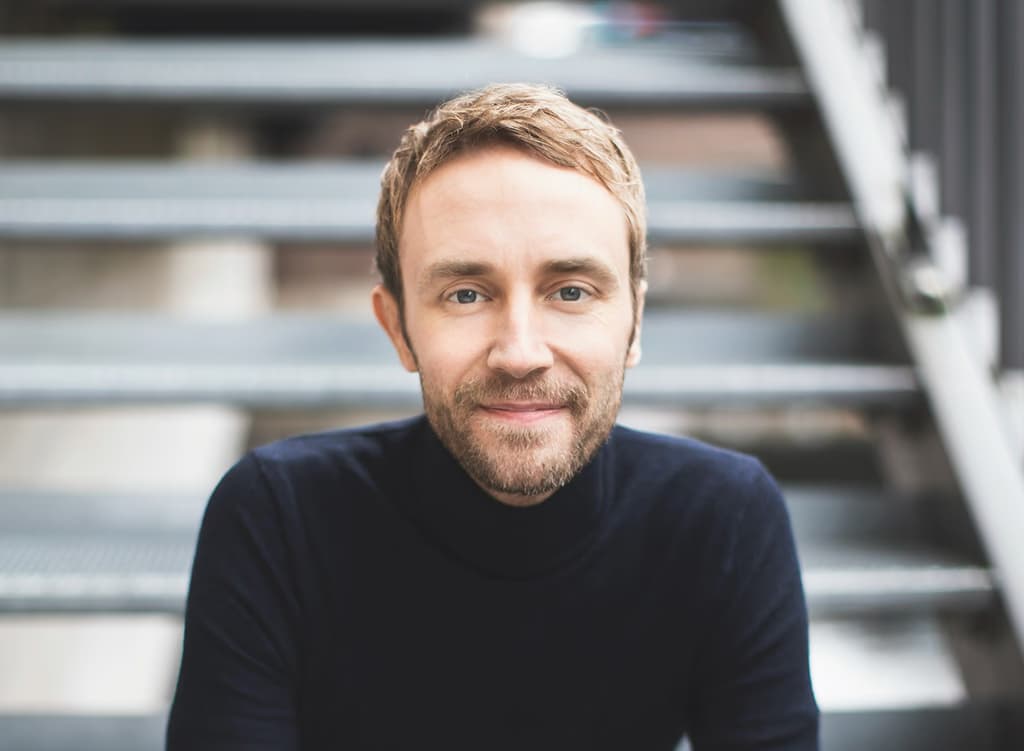
The people behind PisoLinked
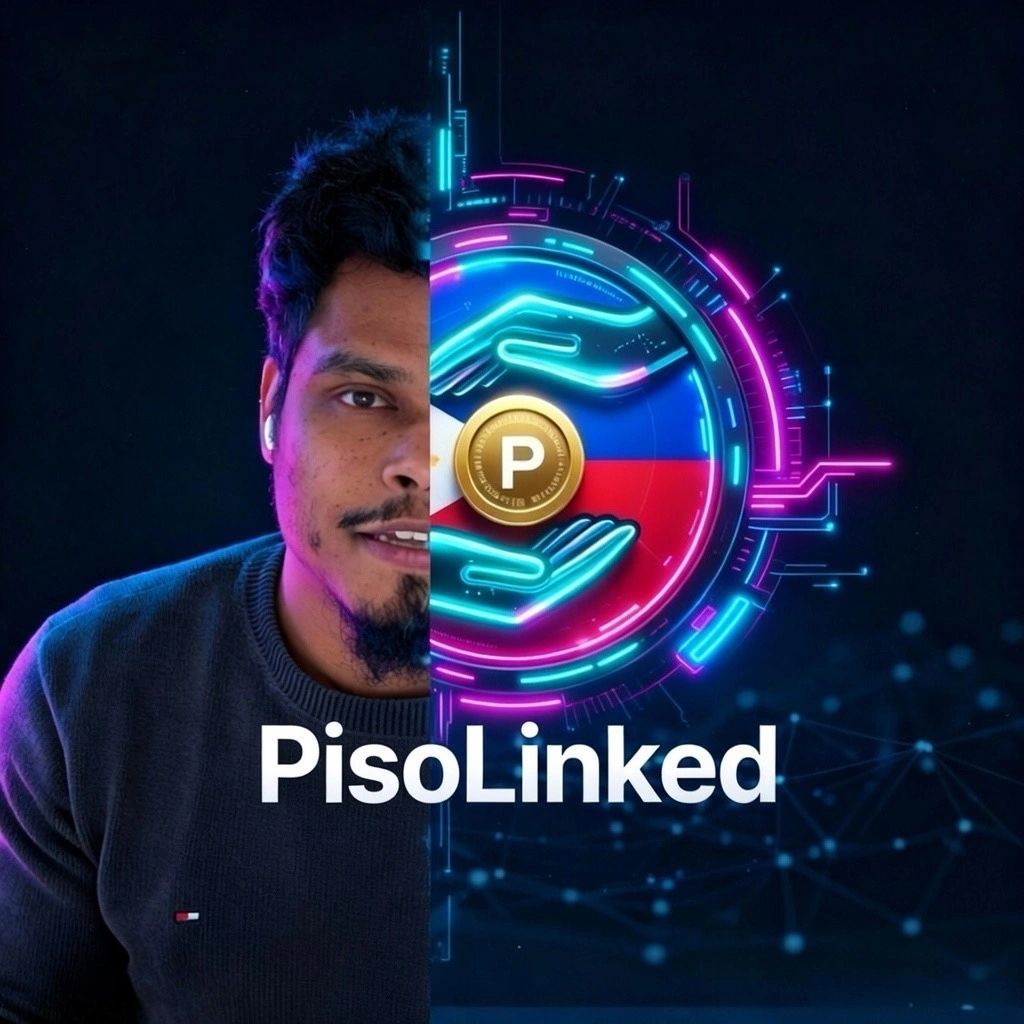
"I grew up between German banking and Filipino family life. I've seen how much money gets lost in between. PisoLinked is how I'm fixing that."
I'm a German-Filipino banker. I've watched families send money home through Western Union, Wise, Remitly, all of them. Every time, 5 to 8 percent vanishes in fees and hidden exchange rate markups. That's money meant for tuition, rent, groceries.
If you send €500 a month and lose 7%, that's €420 a year your family never sees. Multiply that by millions of OFWs worldwide. The numbers get ugly fast.
I started PisoLinked because the technology to do this for under 1% already exists. We use Solana as a payment rail, but the person sending money never has to think about that. Less fees, faster delivery, more pesos arriving.
We're also building more than a remittance app. Savings, payments, micro-credits, investing, one place instead of five separate apps. Filipinos abroad shouldn't have to juggle half a dozen logins to support their family back home.
We're past the idea stage. The alpha version of the app is running: login, money transfer, and the dashboard work. The servers are up. Right now it's a Friends & Family test, which means we're breaking things and fixing them before anyone else has to deal with it. At the same time, we're growing the community. What do you actually need? That's still the question driving everything we build.
"I've been building digital products for 20 years. The ones people actually use have one thing in common: you don't notice the tech."
I've been a COO, a Head of Emerging Technologies, a developer. I've shipped things that worked and things that flopped. The through-line: good technology solves a problem and then disappears.
When Paul showed me how much Filipino families lose to remittance fees, my first thought wasn't "let's use blockchain." It was: why does this still cost so much? A Solana transaction settles in under 5 seconds for fractions of a cent. The rails already exist. Nobody had built an app simple enough that your lola receives pesos without installing anything new on her phone.
That's my job here. I handle the architecture and the infrastructure, the stuff that keeps things running while nobody's looking. Paul understands the Filipino community in a way I never could. I know how to build software that stays out of your way.
Fintech doesn't need to be complicated. The blockchain, currency conversion, routing between payment networks, none of that should be visible to you. If you notice the technology, we got something wrong.